Health Benefits of Sorghum
A Nutrient-Dense, Gluten-Free Grain for Functional and Clean-Label Formulations
Sorghum is gaining rapid traction among commercial food developers as a clean-label, whole grain ingredient with powerful health benefits. Naturally gluten-free and non-GMO, sorghum delivers key nutritional advantages that support better-for-you positioning across bakery, snack, cereal, and plant-based categories. With high dietary fiber, antioxidant content, and essential nutrients, it’s an ideal solution for health-focused, functional food innovation.
What Are the Health Benefits of Sorghum?
Sorghum is a naturally gluten-free, whole grain packed with dietary fiber, antioxidants, plant-based protein, and micronutrients that support digestive health, blood sugar balance, heart health, and clean-label wellness claims. Its mild flavor and versatility make it a powerful nutritional upgrade in commercial food formulations.


Health Benefits of Whole Grains
Whole grain sorghum contains the bran, germ, and endosperm—preserving its full nutritional profile. Rich in dietary fiber, it supports satiety, digestive health, and blood sugar regulation. Additionally, sorghum is low in heavy metals. Sorghum is recognized by the Whole Grains Council and qualifies for whole grain claims on packaging. Just one serving of whole grain sorghum can contribute significantly to the 48g daily whole grain recommendation for consumers.
Antioxidant Qualities of Sorghum
Sorghum varieties such as black, burgundy, and sumac are exceptionally rich in phenolic compounds and anthocyanins—plant-based antioxidants linked to anti-inflammatory effects, cellular protection, and chronic disease prevention. These antioxidants are stable during processing, allowing for inclusion in baked goods, snacks, and cereals without degradation. Studies have even linked sorghum’s antioxidant potential to support metabolic and cardiovascular health.


Sorghum and Blood Sugar Management
Unlike many refined grains, sorghum is a low glycemic index food. Its high fiber content and complex carbohydrates slow digestion, promoting steady blood sugar levels—ideal for diabetic-friendly formulations or better-for-you carb-conscious foods. Sumac and black sorghum in particular have shown promise in helping manage glucose response due to their polyphenol density.
Sorghum and Digestive Health
With both soluble and insoluble fiber, sorghum promotes gut motility and supports a balanced microbiome. Sorghum bran and whole grain formats can help food manufacturers boost fiber content in snacks, cereals, and breads—supporting digestive wellness claims without compromising on taste or texture.

Sorghum as a Clean-Label Functional Ingredient
Sorghum’s natural structure contributes to water retention, binding, and structure-building in gluten-free formulations—reducing reliance on gums, modified starches, or chemical emulsifiers. Its neutral flavor and clean-label compatibility make it ideal for brands seeking transparency, functionality, and better ingredient narratives.


Why Sorghum Tastes Better Than Other Health Grains
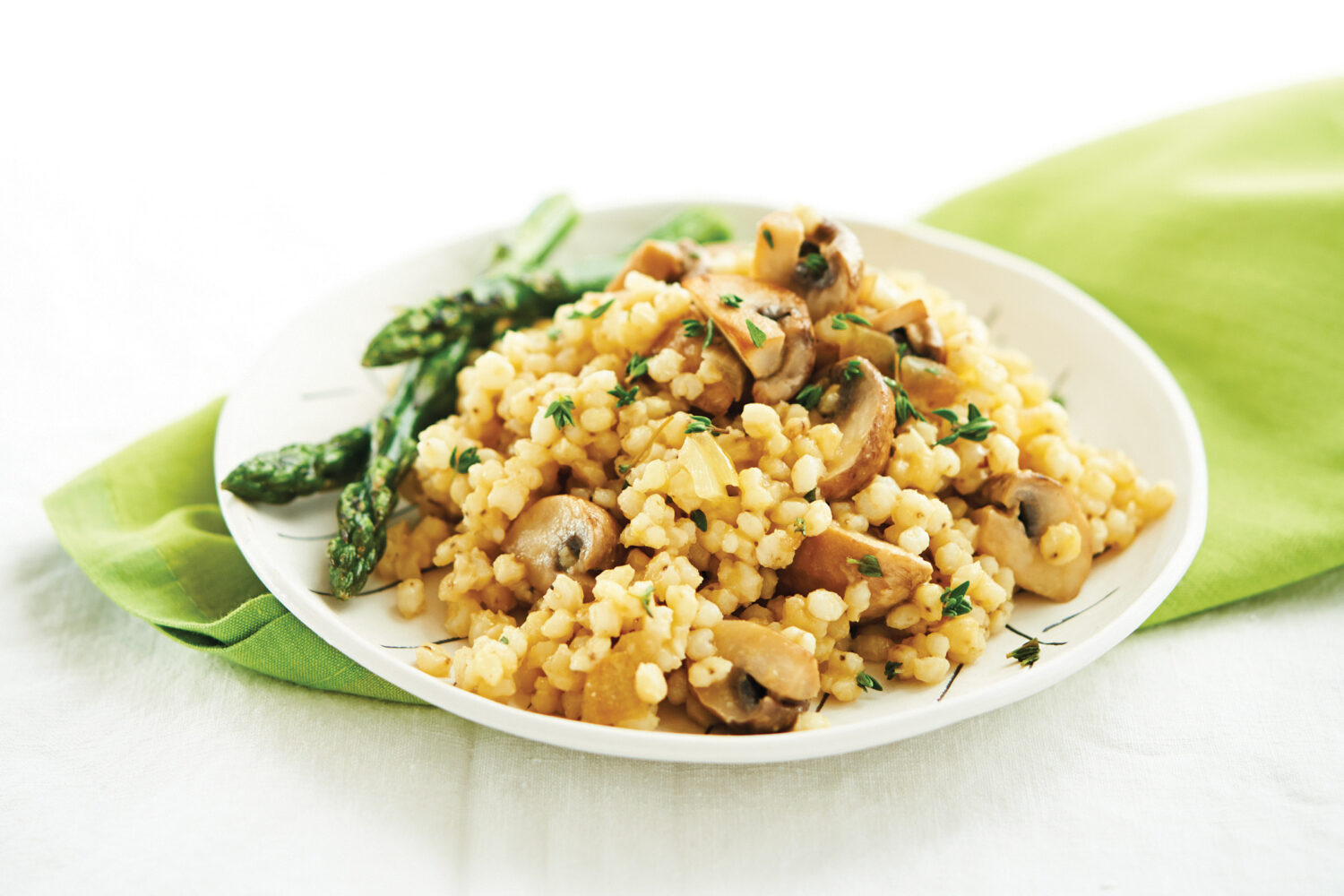
Sorghum’s success in commercial formulations isn’t just due to its nutritional value—it’s also a great-tasting, consumer-friendly ingredient. Unlike many health-focused grains that have bitter, grassy, or gritty profiles, sorghum is known for its neutral flavor, smooth mouthfeel, and excellent texture in both sweet and savory applications. Able to be used in whole grain side dishes, soft sandwich breads, crispy snacks, and tender muffins, sorghum delivers taste and texture consumers love—without the need for masking agents or flavor enhancers.
Neutral base flavor
that takes on the character of other ingredients
No bitter aftertaste
common in flax, quinoa, or psyllium-enhanced blends
Tender crumb and clean finish
in gluten-free baked goods
Excellent blendability
in flour mixes, grain bowls, bars, and beverages
Frequently Asked Questions
Yes. When used in its whole form, sorghum qualifies as a whole grain, preserving all essential nutrients and supporting whole grain health claims.
Sumac and black sorghum have the highest levels of antioxidants, particularly 3-deoxyanthocyanidins and tannins, which are rare in other grains.
Absolutely. Sorghum is naturally gluten-free and safe for people with celiac disease or non-celiac gluten sensitivity. All Nu Life Market sorghum is processed in an allergen-free facility.
Yes. Its high fiber content, antioxidant properties, and whole grain profile contribute to reduced inflammation, lower cholesterol, and improved cardiovascular function.
Sorghum is ideal for boosting fiber, replacing refined grains, supporting plant-based claims, and enhancing product functionality across baked goods, snacks, cereals, and gluten-free foods.